Screen Time and Kids' Eyes: A Parent's Guide to Distance and Time
The World Health Organization recommends no sedentary screen time for children under 2, and no more than 1 hour a day for ages 2–4 (less is better). When kids do use screens, keep them at least 30 cm (12 in) away — ideally 33–50 cm (13–20 in) — and aim for about 2 hours of outdoor time a day to help prevent myopia.
Recommended screen time by age (WHO)
| Age | Recommended screen time |
|---|---|
| Under 1 | Not recommended |
| 1 year | Not recommended |
| 2 years | No more than 1 hour a day; less is better |
| 3–4 years | No more than 1 hour a day; less is better |
These come from the WHO's 2019 guidelines on physical activity, sedentary behaviour and sleep for children under 5. “Screen time” here means sedentary viewing — watching TV or videos, or playing games.
For kids 5 and older, the key is making sure screens don't eat into sleep, exercise and outdoor play.
Distance matters as much as time
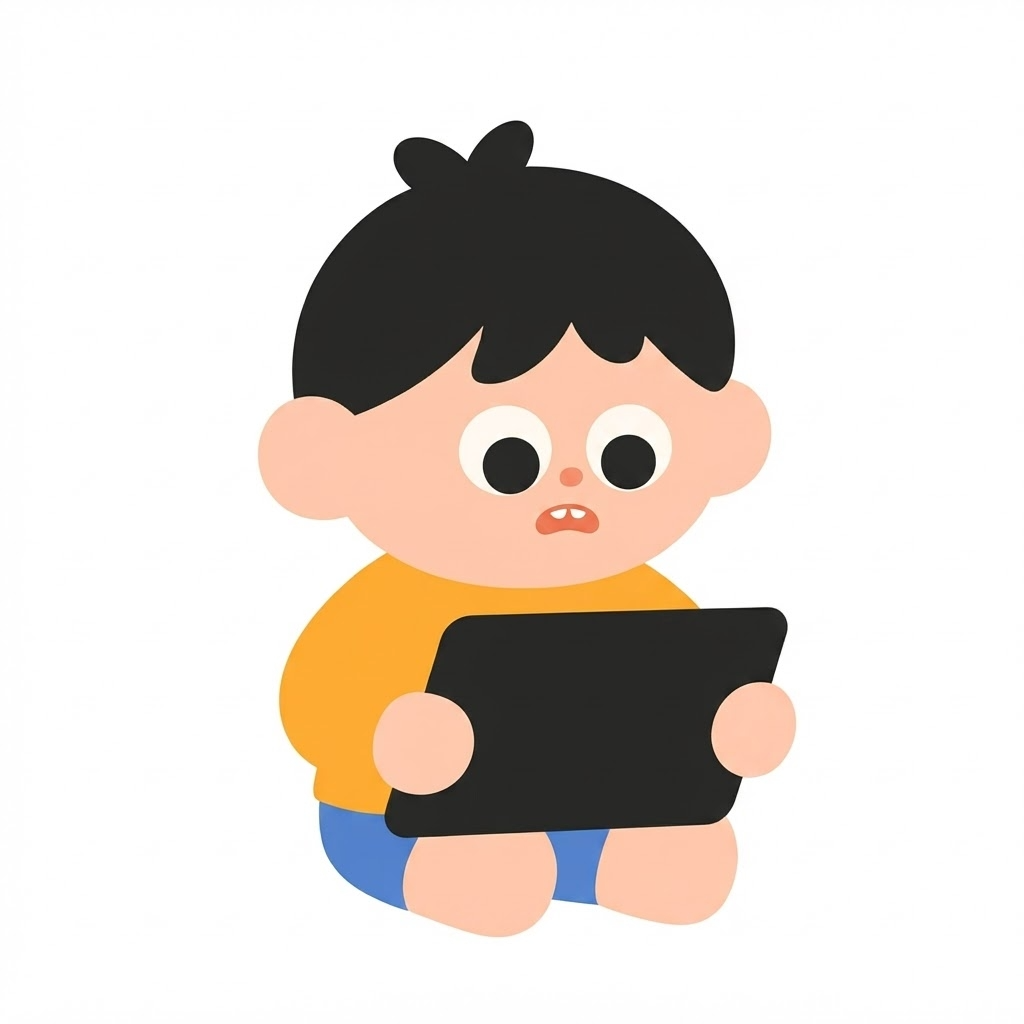
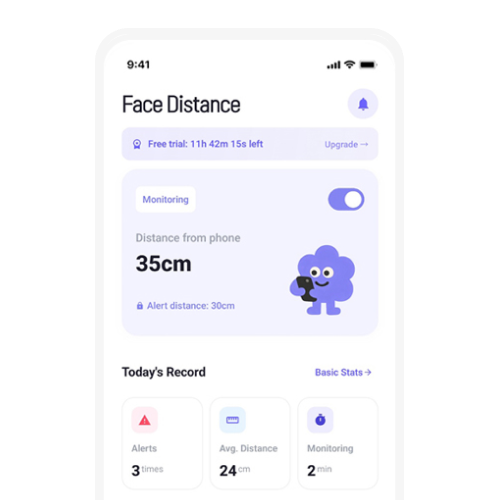
Kids have short arms and get absorbed in screens, so they hold devices about 24 cm away on average — much closer than adults. Long periods closer than 20 cm are linked to faster myopia progression. Even for the same hour of screen time, how close they hold the screen matters.
Outdoor time helps prevent myopia
Many studies have found that more time outdoors lowers the risk of becoming nearsighted. School programs that added 1–2 hours of outdoor time a day saw 25–50% less new myopia over 1–3 years, and about 2 hours a day is the commonly cited target. The effect is strongest in younger children, typically under 12.
What parents can do
- Set a distance rule: screens stay at elbow's length (at least 30 cm / 12 in).
- Set a time rule: agree on daily screen time that fits your child's age.
- Build in breaks: every 20–30 minutes, look away at something far off.
- Play outside: aim for about 2 hours of daylight play a day.
- Let an app do the reminding: a distance alert app reminds them so you don't have to.
- Get regular eye exams: if your child squints at distant things or sits close to the TV, see an eye doctor.

FAQ
How much screen time should young kids have?
The WHO recommends none for children under 2 and no more than 1 hour a day for ages 2–4, with less being better.
How far should kids hold a phone or tablet?
At least 30 cm (12 in), ideally close to the adult recommendation of 33–50 cm (13–20 in). Kids tend to hold devices about 24 cm away on average.
Does outdoor time really help prevent myopia?
Yes. Studies link more outdoor time with lower myopia risk, and about 2 hours a day is the commonly cited target.
Sources
- WHO — Guidelines on physical activity, sedentary behaviour and sleep for children under 5 (2019)
- American Academy of Ophthalmology — Prescription for keeping children out of glasses: sunshine
- PMC / NCBI — What can we do about myopia? An evidence-informed approach
- Myopia Profile — Digital device viewing behaviour in children
This article is general health information, not a diagnosis or treatment. If eye discomfort persists, see an eye doctor.